Jan 12, 2026
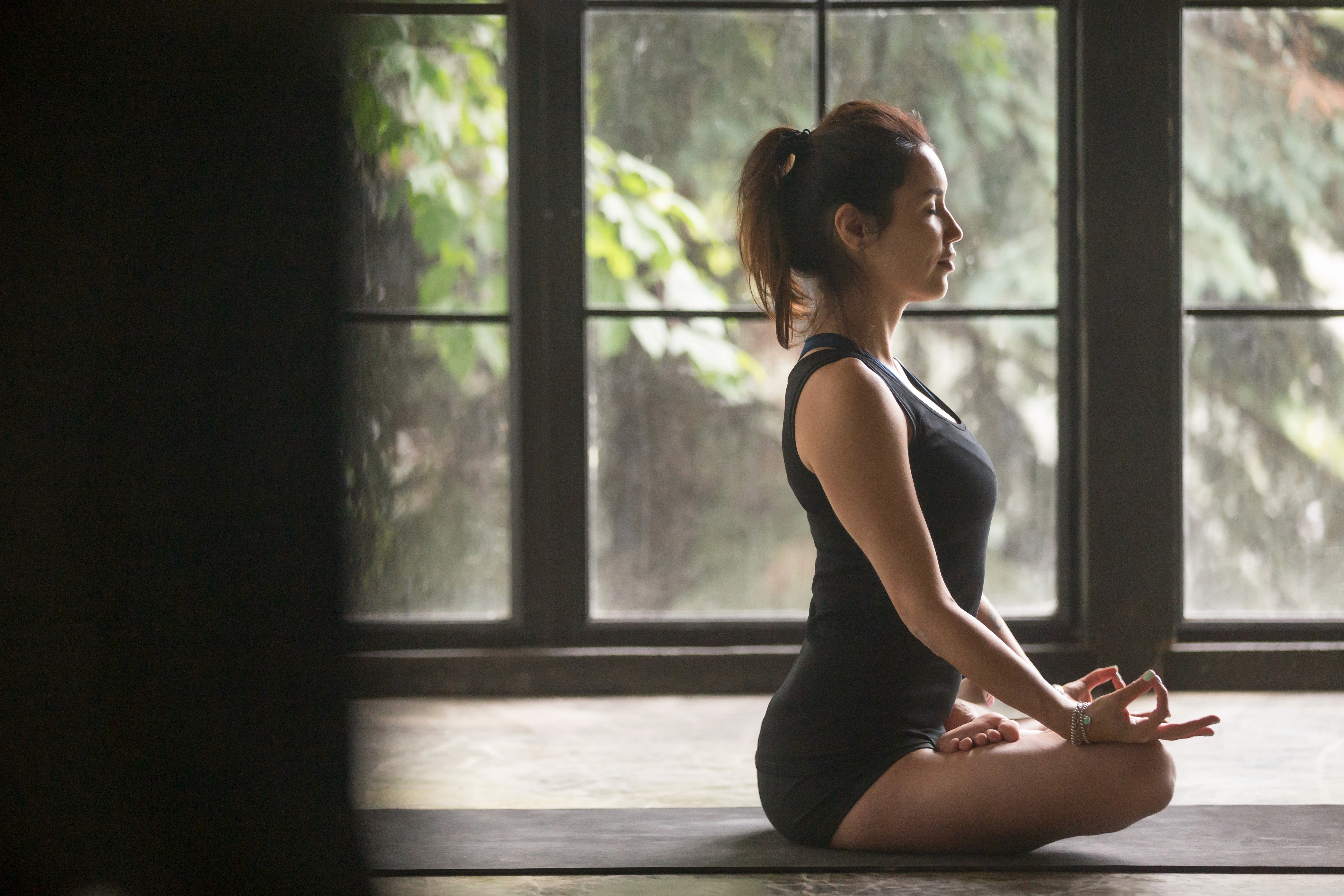
A yoga retreat is NOT:
Just a vacation with yoga. Unlike a trip to a resort, where yoga is an optional activity between the beach and the bar, a retreat has structure. The entire program (including meals, sleep, and leisure time) is built around practice and recovery.
A sports camp. No one will force you to stand on your head or “break” into difficult asanas. The goal of a retreat is not to set Olympic records, but to deepen your connection with your own body. You can always skip a class if you feel tired.
Mandatory “mindfulness” competition. There is no need to pretend to be enlightened. A retreat is a safe space where you can be yourself: tired, confused, searching.
A yoga retreat is:
Solitude. The word “retreat” itself translates as ‘solitude’ or “withdrawal.” This is your chance to temporarily step away from your usual routine, work, social obligations, and “digital noise.”
Immersion. When you practice yoga at home or in a studio, it's 1-2 hours. At a retreat, you live in the rhythm of yoga 24/7. This allows the practice to penetrate deeper, not only on a physical level, but also on a mental level.
Reboot. It is an opportunity to cleanse the body (with healthy food and practice) and the mind (with meditation and the absence of stress)
What to expect: Key components of your journey
Almost every retreat, regardless of location, is built on several “pillars.”
1. Practice: Asanas, Pranayama, and Meditation
Be prepared to practice yoga twice a day.
The morning practice is usually more dynamic and active (e.g., Vinyasa Flow or Ashtanga) to awaken the body and energize you for the day ahead.
The evening practice is calm and relaxing (Yin Yoga, Yoga Nidra, Restorative Yoga), aimed at stretching, relieving tension, and preparing for sleep.
In addition to asanas (physical poses), great attention is paid to pranayama (breathing techniques) and meditation. Don't worry if you have no experience — the instructor will explain everything. This is the basis of “inner work.”
2. Nutrition: Energy and Purification
Food at retreats is a separate kind of pleasure. Most often, it is vegetarian or vegan cuisine. The food will be healthy, light, nutritious, and very tasty. Its purpose is not just to satisfy your hunger, but to support your practice, give your body lightness, and help with the cleansing process. Usually, there are three meals a day (buffet or set menu).
Tip: If you have allergies or strict dietary restrictions, be sure to inform the organizers in advance.